The podcast industry is evolving, as is pretty much everything in the entertainment business. We’ve been hearing about “convergence” for decades but now we’re seeing an acceleration. We’re seeing podcasts turn into YouTube channels and vice versa. We’re seeing YouTubers streaming on channels like Netflix. All of the lines between delivery platforms are blurring. This creates huge opportunities for many, but it’s also unsettling for those who like to stay in their comfort zone.
We’re also seeing monetization strategies evolve as well, with podcasters and YouTubers embracing a wide variety of revenue sources beyond just traditional advertising. These types of 360 deals work particularly well with celebrity podcaster and creators.
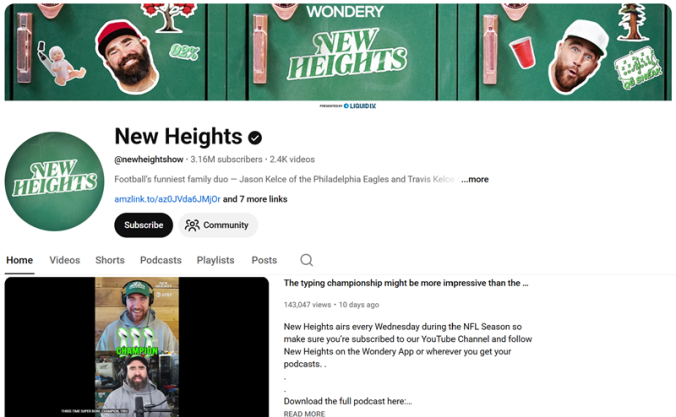
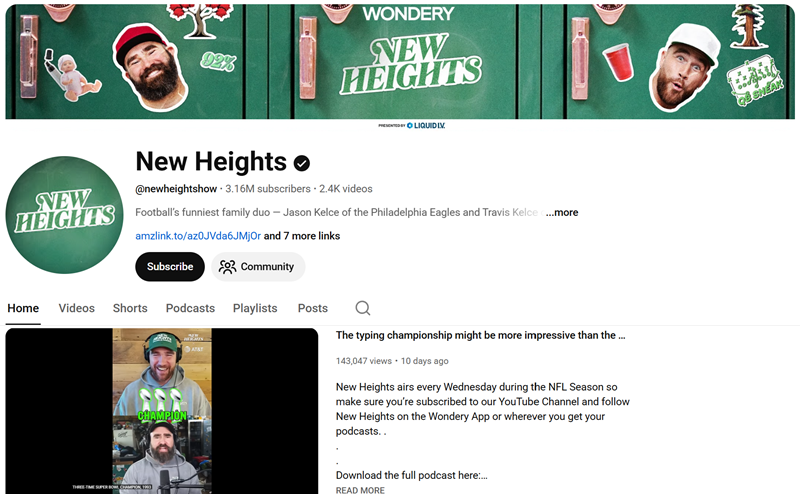
A recent article in the New York Times explains this in the context of the New Heights podcast from Jason and Travis Kelce. Podcasts can essentially “become an entire lifestyle brand — complete with merchandise, live events, shoppable content, and dedicated fan hubs.” This approach marks a significant evolution. Instead of just selling ad slots, Amazon is helping creators monetize their personal brands across multiple touchpoints — social media, live events, product lines, and more. Other big names like Dax Shepard, Keke Palmer, and LeBron James are also part of the roster.
And it’s not just Amazon. The article doesn’t address this, but niche content creators, including those in the B2B space, can also leverage their audience across multiple platforms, particularly newsletters and memberships.
This article focuses more on creators in the entertainment space:
Fans will show up for — and spend money on — anything and anyone connected to their favorite shows. This logic is aligned more with product placement, sponsored content or celebrity endorsements (or a hybrid of all three) than with traditional podcast advertising. Under every rock is a monetization opportunity.
Not every celebrity can pull this off. We saw a rush of celebrities try to launch podcasts during and after Covid, and many of them failed. Few have the personality to thrive with this type of content. But those who do can make a killing, and we’re now seeing companies expand the types of revenue opportunities available to these creators.

