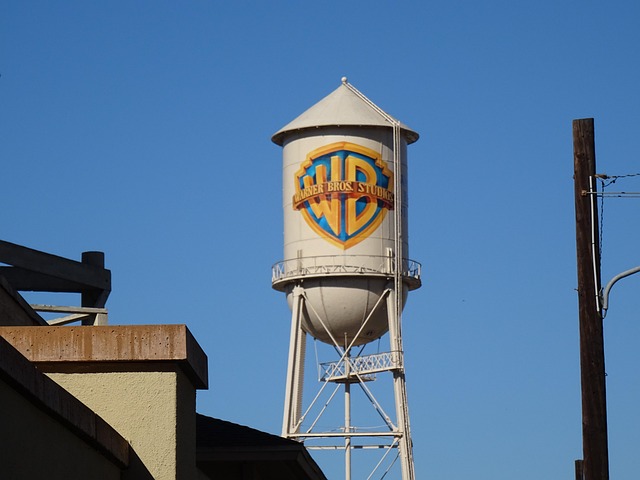
On December 17, 2025, the Warner Bros. Discovery (WBD) board of directors unanimously rejected a $108.4 billion hostile takeover bid from Paramount Skydance (a combined entity led by David Ellison). Instead of accepting this all-cash offer of $30 per share, the board reaffirmed its commitment to a competing merger agreement with Netflix, valued at approximately $82.7 billion (or $27.75 per share).
Risks Cited by the Board
The rejection was primarily based on what the board termed “significant risks” associated with the Paramount offer, and the board went into great detail regarding those risks. The board accused Paramount Skydance of misleading shareholders by claiming the bid was “fully backstopped” by the Ellison family (including billionaire Oracle co-founder Larry Ellison). In reality, much of the financing relied on an “opaque revocable trust” structure, allowing potential withdrawal of funds, and commitments from foreign sovereign wealth funds. Additionally, Jared Kushner’s Affinity Partners pulled its backing days earlier, further eroding confidence in the deal’s certainty.
The board also emphasized regulatory and national security hurdles. Heavy involvement from sovereign wealth funds in Saudi Arabia, Qatar, and Abu Dhabi raised red flags for U.S. national security reviews (via CFIUS) and antitrust scrutiny, potentially delaying or blocking foreign control of major American media assets like Warner Bros. and HBO.
Finally, the board expressed concerns about overly ambitious operational projections. Paramount Skydance touted $9 billion in cost synergies, but the WBD board dismissed this as unrealistic, warning that aggressive cuts would “make Hollywood weaker, not stronger” by harming long-term creativity and value.
Overall, this came across as a very forceful and persuasive rebuke of the Paramount offer.
The Netflix Offer
While Paramount’s $108.4 billion hostile offer grabbed headlines with its higher $30-per-share all-cash price tag, the Warner Bros. board views the competing Netflix merger, announced earlier in December, as the clearly superior path forward. Valued at roughly $82.7 billion in enterprise terms ($72 billion equity), the Netflix deal equates to about $27.75 per share, but the board emphasizes quality over quantity, calling it a more certain and strategically sound transaction.
The Netflix agreement combines cash ($23.25 per share) and Netflix stock ($4.50 per share equivalent), providing shareholders with immediate liquidity plus upside exposure to Netflix’s high-growth streaming business. Crucially, it carries far less execution risk: No new equity raises are needed, and financing is secured through fully binding debt commitments from major banks—eliminating the funding uncertainty plaguing the Paramount bid.
Unlike a full-company takeover, the Netflix merger targets WBD’s crown jewels: the Warner Bros. film and TV studios, HBO’s premium content library, and the Max streaming platform. Declining linear cable networks such as CNN, TNT, and TBS are slated for a spin-off into a separate entity. This would invlove shedding legacy assets that face cord-cutting headwinds and allowing the combined Netflix-WBD streaming company to be a force in the future of entertainment. By prioritizing certainty, strategic fit, and long-term value over a riskier premium, the board believes the Netflix partnership positions shareholders for sustained growth in a streaming-first world.
Who Will Win?
It’s anybody’s guess. I thought Paramount might have the upper hand with their Trump connections and their willingness to shameless curry favor for their deal. But this forceful response from the board suggests that they’re willing to fight for what they perceive to be the better offer.

